Get Residential Trim Installation
Residential trim installation services help property owners improve interior aesthetics and cover gaps by installing or replacing moldings, baseboards, crown molding, and door or window casings.
Residential trim installation is a common upgrade that can enhance both the appearance and functionality of a property. Whether planning a renovation project or simply updating interior details, property owners often explore local options to find experienced contractors who can deliver quality results. Taking the time to compare local service providers ensures that choices align with specific project needs and preferences, helping to achieve a polished, finished look that complements the overall design.
For those considering trim installation, understanding the variety of available services and the expertise of local contractors can make a significant difference. Property owners may seek professionals to handle detailed work that requires precision and craftsmanship, ensuring the project is completed to a high standard. By exploring local options and reviewing different service providers, property owners can make informed decisions that support the successful completion of their residential projects.
- Interior door trim installation - needed when updating or replacing interior doors to enhance room aesthetics.
- Crown molding installation - suitable for homeowners seeking to add architectural detail to living spaces.
- Baseboard and wainscoting installation - required when upgrading or repairing wall trim for a finished look.
- Window and door casing installation - necessary during new construction or remodeling projects to frame openings.
- Custom trim work - ideal for those wanting unique or decorative accents to personalize their home interiors.

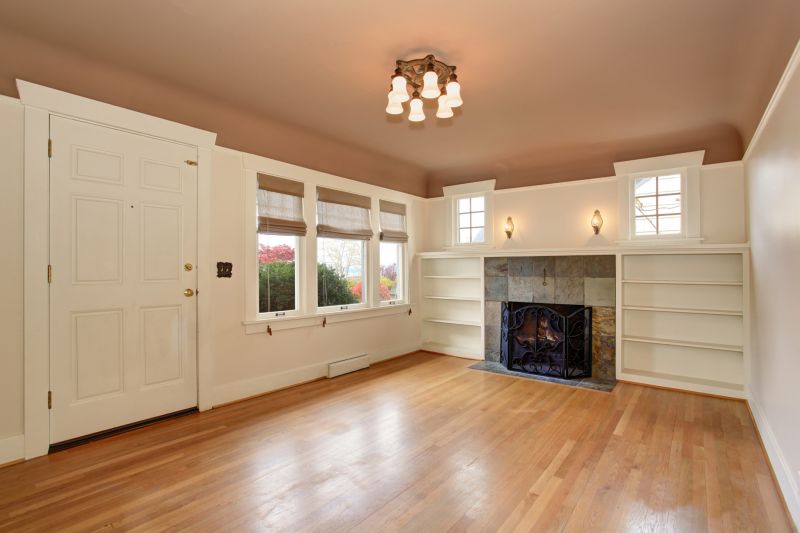

Residential trim installation services involve adding or replacing decorative and functional woodwork around a home’s interior or exterior. This includes installing baseboards, crown molding, door and window casings, chair rails, wainscoting, and other trim details that enhance the overall appearance of a property. Skilled contractors focus on precise measurements, accurate cuts, and clean finishes to ensure the trim complements the existing architecture and adds a polished look to living spaces. Proper installation can also improve the durability of these elements, helping them withstand everyday wear and tear.
Many homeowners turn to trim installation services to address common problems such as damaged or outdated trim, gaps and uneven edges, or missing moldings that diminish the aesthetic appeal of a property. Replacing or upgrading trim can also help conceal imperfections along walls and ceilings, providing a more finished appearance. Additionally, installing new trim can be an effective way to modernize a home’s style or match updated interior design choices, making spaces look fresher and more cohesive.
This service is often utilized in a variety of property types, including single-family homes, townhouses, and multi-family residences. It’s especially popular during renovations, remodels, or new construction projects where finishing touches are needed to complete the look of interior rooms or exterior facades. Whether a property is traditional, contemporary, or transitional in style, experienced contractors can customize trim details to align with the overall design vision, ensuring the work enhances the character and value of the home.
Homeowners might consider residential trim installation services when they notice issues like chipped, cracked, or loose trim, or if they are seeking to update the interior decor. It’s also a practical choice for those completing a renovation project that involves new doors, windows, or wall finishes. By working with local service providers, homeowners can find professionals who understand the nuances of trim installation and can deliver results that improve both the appearance and functionality of their properties.
The overview below groups typical Residential Trim Installation projects into broad ranges so you can see how smaller, mid-sized, and larger jobs often compare in your area.
In many markets, a large share of routine jobs stays in the lower and middle ranges, while only a smaller percentage of projects moves into the highest bands when the work is more complex or site conditions are harder than average.
Smaller Repairs - minor trim repairs or replacements typically cost between $250 and $600 for many routine jobs. Most projects in this range involve replacing or repairing a few trim pieces and are common for homeowners updating their interiors.
Mid-Range Installations - replacing or installing new trim around larger areas usually falls between $600 and $2,000. Many local contractors handle these projects regularly, which tend to be straightforward and predictable in scope.
Full Room or Custom Trim - larger, more complex projects such as custom molding or extensive trim work can range from $2,000 to $5,000 or more. Fewer projects reach this tier, often involving detailed craftsmanship or high-end materials.
Whole-Home Renovations - complete trim overhauls or extensive remodeling can exceed $5,000, depending on the size and complexity of the home. These projects are less common and typically require specialized skills and materials.
Actual totals will depend on details like access to the work area, the scope of the project, and the materials selected, so use these as general starting points rather than exact figures.
Crown Molding Installation - professionals skilled in installing decorative trims like crown molding share techniques with residential trim installation, including precise measuring and finishing details.
Baseboard and Wainscoting Installation - local contractors experienced in installing baseboards and wainscoting utilize similar planning, cutting, and finishing skills as residential trim projects.
Door and Window Casings - installing casings around doors and windows requires careful measurement and detailed carpentry work, similar to interior trim installation.
Interior Wall Paneling - working with wall paneling involves planning and precise installation techniques comparable to those used in residential trim projects.
Archway and Decorative Frame Work - creating and installing decorative frames and archways involves detailed carpentry skills akin to residential trim installation services.
Custom Woodwork and Built-ins - crafting and installing custom wood features require similar planning, measurement, and finishing skills as residential trim projects.
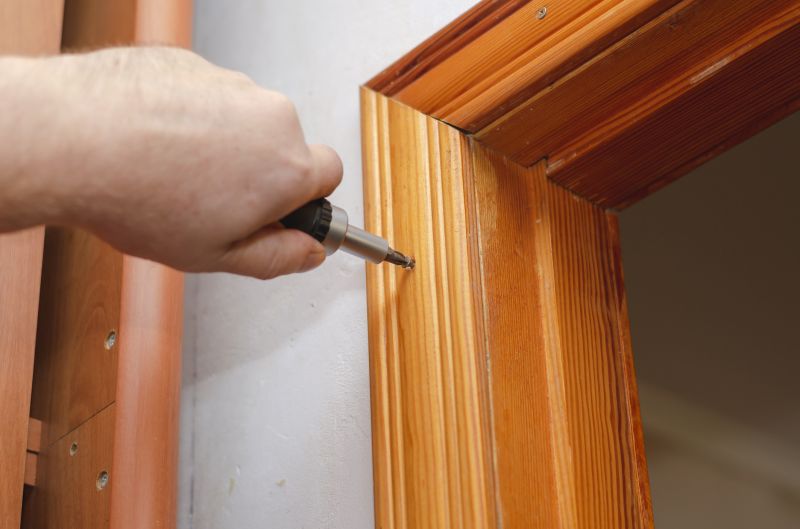
When comparing residential trim installation service providers, it’s important to consider their experience with similar projects. Homeowners should look for local contractors who have a proven track record of completing trim work comparable in scope and style to the desired outcome. An experienced professional will understand the nuances of different trim materials, styles, and installation techniques, which can contribute to a polished and durable result. Asking for examples of past projects or references can help gauge a contractor’s familiarity with residential trim and their ability to handle specific design preferences or architectural details.
Clear, written expectations are essential when evaluating local service providers. Homeowners should seek out contractors who provide detailed estimates or proposals that outline the scope of work, materials to be used, and the projected process. Having this information in writing helps ensure everyone is aligned on what will be done, reducing misunderstandings and providing a basis for comparison between different options. A reputable contractor will be transparent about their approach and willing to clarify any questions, making communication easier throughout the project.
Good communication and reputable references are key indicators of a reliable local contractor. Homeowners can ask potential service providers for references from previous clients who had similar trim work completed. Contacting these references can reveal insights into the contractor’s professionalism, punctuality, and quality of work. Additionally, effective communication during the initial inquiry process is a strong sign of a contractor’s responsiveness and willingness to collaborate. Since this site connects homeowners with local options, it’s important to choose service providers who demonstrate clear communication and a history of satisfied clients, as these qualities often lead to a smoother project experience.
Property owners use Residential Trim Installation services for practical projects around their homes and businesses. This guide focuses on everyday jobs and straightforward project options.
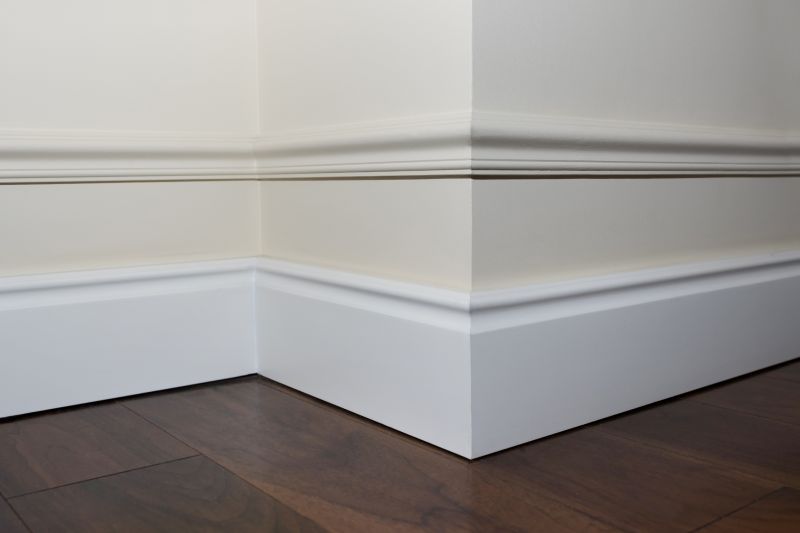

Residential trim installation is a common project for property owners looking to enhance the appearance and functionality of their homes. Whether updating worn-out baseboards, adding decorative crown molding, or replacing damaged window casings, local contractors can handle a variety of trim work to improve interior spaces. Homeowners often seek these services when preparing a house for sale, remodeling a room, or simply refreshing the look of a living area with new, polished details.
Many property owners turn to local service providers for trim installation when undertaking renovations or repairs. Issues like water damage, age-related wear, or the desire for a more modern aesthetic can prompt the need for professional trim work. Local contractors are equipped to manage these projects efficiently, ensuring that the finishing touches complement the overall design and style of the home.
What types of residential trim services do local contractors offer? Local service providers typically handle a variety of trim installations, including baseboards, crown molding, door and window casings, and wainscoting to enhance interior spaces.
How can I determine the best trim style for my home? Local pros can provide guidance on different trim styles and help select options that complement the home's architecture and interior design preferences.
What materials are commonly used for residential trim installation? Common materials include wood, MDF, PVC, and composite options, with choices depending on durability, appearance, and budget considerations.
Are there different techniques used for installing various types of trim? Yes, installation methods can vary based on trim type and material, with pros using techniques suited to ensure proper fit, finish, and longevity.
How do local contractors ensure a quality finish on trim installation? Experienced service providers focus on precise measurements, proper fastening, and seamless finishing to achieve a polished look for interior trim projects.
Interior Door Trim Installation - Enhance the look of rooms by adding new door casings and trim that match existing decor.
Crown Molding and Baseboard Setup - Upgrade living spaces with decorative moldings to improve aesthetic appeal and room transitions.
Window Frame and Sill Refinishing - Improve window functionality and appearance by replacing or restoring trim around windows.
Custom Woodwork and Accent Trim - Personalize rooms with unique trim designs that complement interior styles and add character.
If you are thinking about Residential Trim Installation for a property, this guide is meant to help you understand the work, the typical project types, and how different options might fit your plans.
When you are ready, you can use the quote form on this page to share a few details about your project. From there, local pros can review the basics and respond with options that match what you have in mind.